
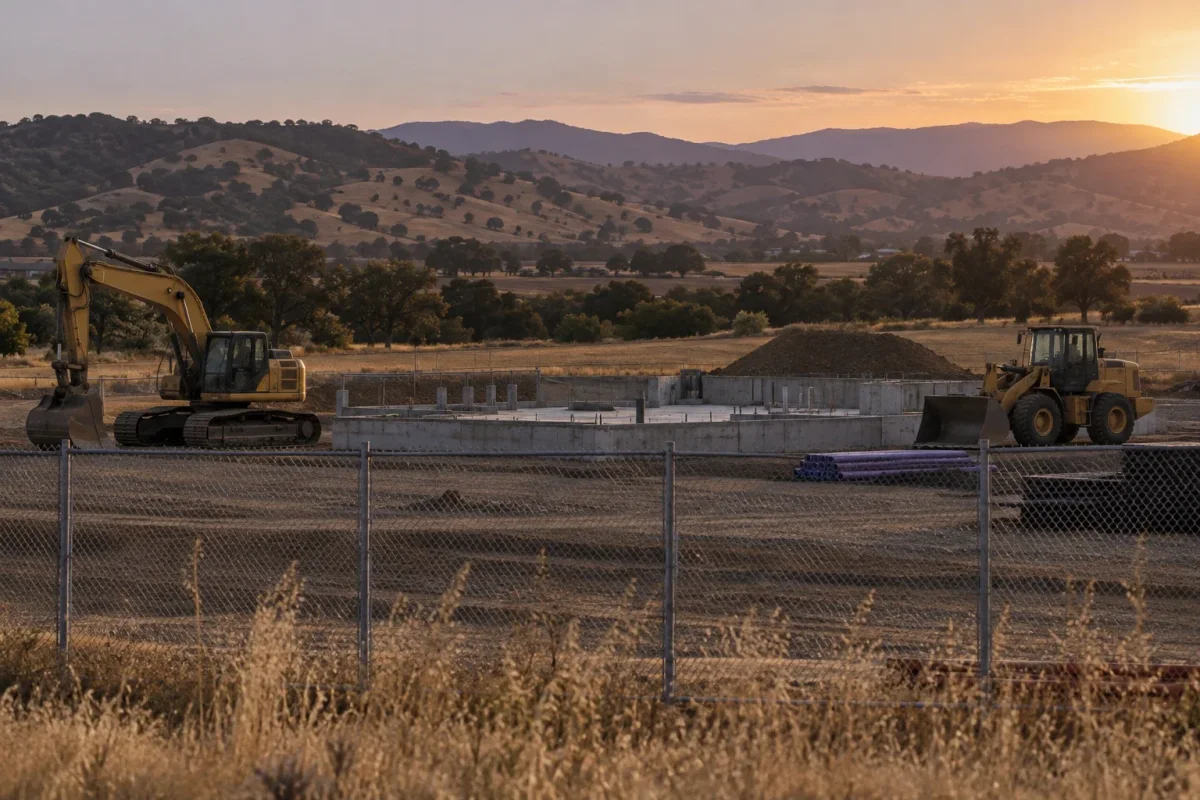
California Attorney General Rob Bonta and Santa Clara County secured a preliminary injunction late September 11, 2026, halting construction of an Immigration and Customs Enforcement facility in an unincorporated area near Gilroy. The U.S. District Court for the Northern District of California found that the plaintiffs are likely to succeed in the litigation and directed the parties to meet and confer and submit a proposed order by September 30, 2026, addressing the injunction’s scope.
Bonta and the county sued in June 2026, alleging that the federal government pursued the project without required environmental review or consultation with state and local governments. ICE later agreed to pause construction through September 9, and the court’s order continues the halt pending further instructions.
The federal government leased the 24.5-acre parcel from a private developer in January 2025 for use by ICE as a likely Enforcement and Removal Operations holding facility. According to the Attorney General’s office, the government then moved rapidly to develop the site without conducting the required review or consulting state or local authorities.
The lawsuit alleges that development of the facility violates the National Environmental Policy Act, the Immigration and Nationality Act, the Intergovernmental Cooperation Act, the Administrative Procedure Act and California’s Williamson Act. Bonta and the county contend that construction could release hazardous materials and damage the ecosystem, habitat and agricultural value of land protected exclusively for agricultural use since the 1960s. They also argue that the project could overwhelm a septic system designed for substantially smaller use.
Bonta characterized the decision as a requirement that the federal government comply with environmental safeguards and the law. County Counsel Tony LoPresti said the alleged legal violations concealed what the county considers fundamental problems with placing the facility on sensitive land lacking infrastructure adequate to support the detention of individuals. The preliminary injunction does not resolve the lawsuit’s underlying claims; it keeps construction stopped while the court determines further terms.